This article combines real symptoms, a clear explanation and useful workshop images. It starts from a common question: what should you check when the engine begins to feel wrong but the fault is still not obvious?
Important note: the value of this guide is not random tinkering. It is the method: observe symptoms, identify the right component, test, and only then decide what the failure really is.
Typical symptoms
- Hesitation or flat spots under throttle
- Loss of smoothness at low rpm
- Warning light that appears, disappears, or returns intermittently
- Performance that feels worse than the car's normal baseline
What makes the original guide useful
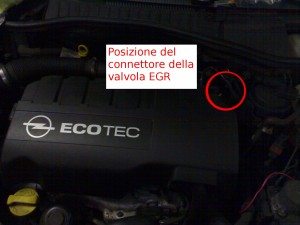
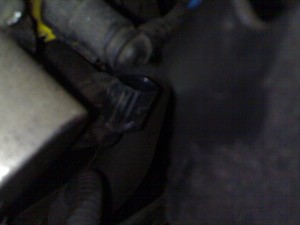
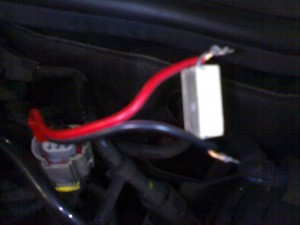
It does not jump straight to "replace the part". It explains where the EGR valve sits, what should be inspected around the connector, why a measured check matters, and how to think about the result instead of guessing.
What to check first
- Whether the fault is repeatable and not just occasional
- Whether the connector area is accessible and safe to inspect
- Whether the engine is cold and the work area is safe
- Whether you have a multimeter and the minimum tools to work in order
Gallery rebuilt from the original article